

POTHOLE REPAIR SERVICES
Repair Damage. Restore Your Surface.
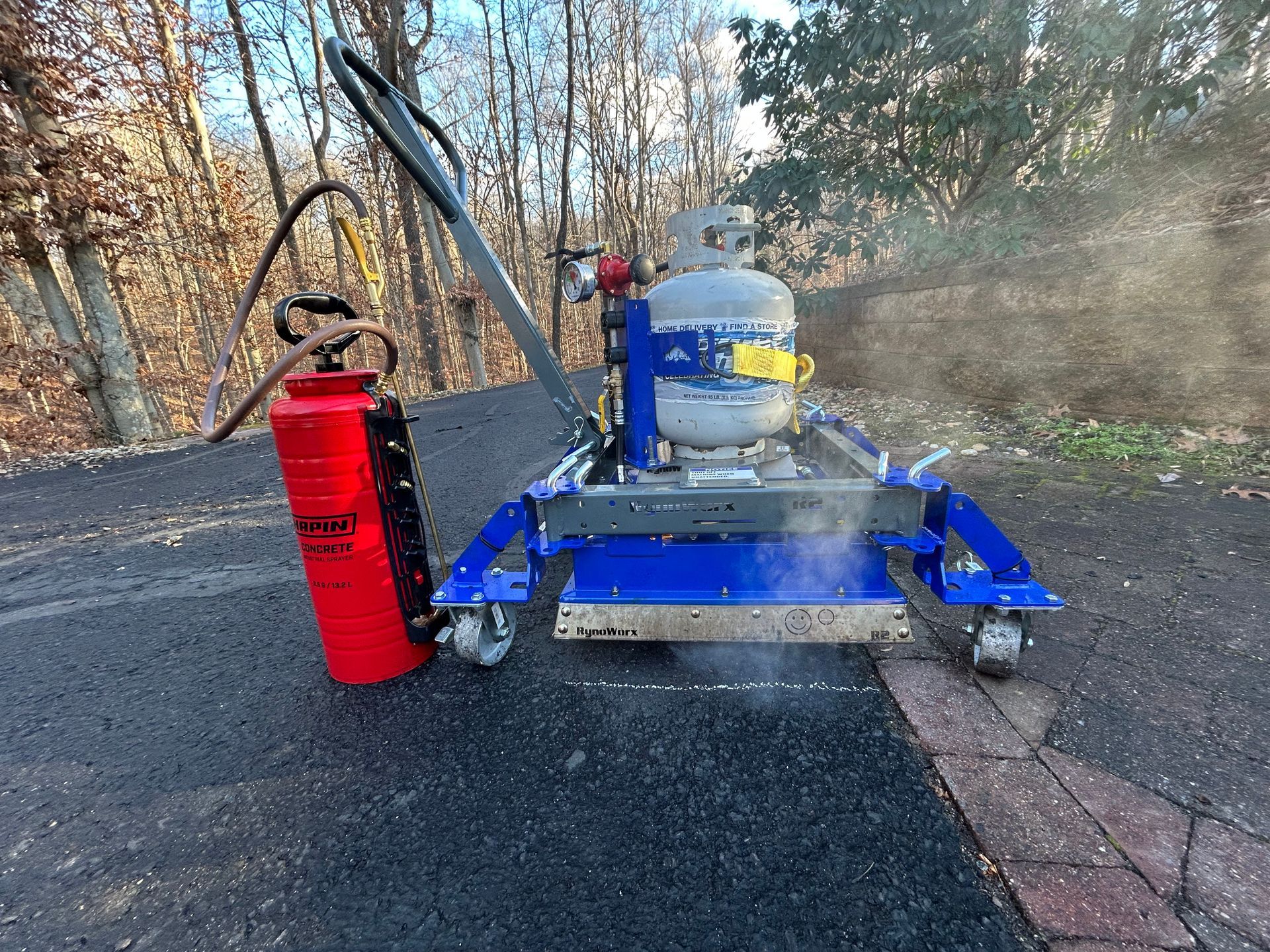
Whether it’s a residential driveway or a commercial parking lot, damaged asphalt is more than just an eyesore — it’s a safety risk and a sign of deeper pavement failure. At StripeCraft, we use infrared asphalt repair technology to reheat, restore, and repair potholes and cracks, creating stronger bonds, smoother finishes, and long-lasting results that bring your pavement back to life.
Licensed & Insured • VA Contractor License #2705195393
OUR INFRARED POTHOLE & LARGE CRACK PROCESS
What to expect when you work with us
1. Clean & Prep.
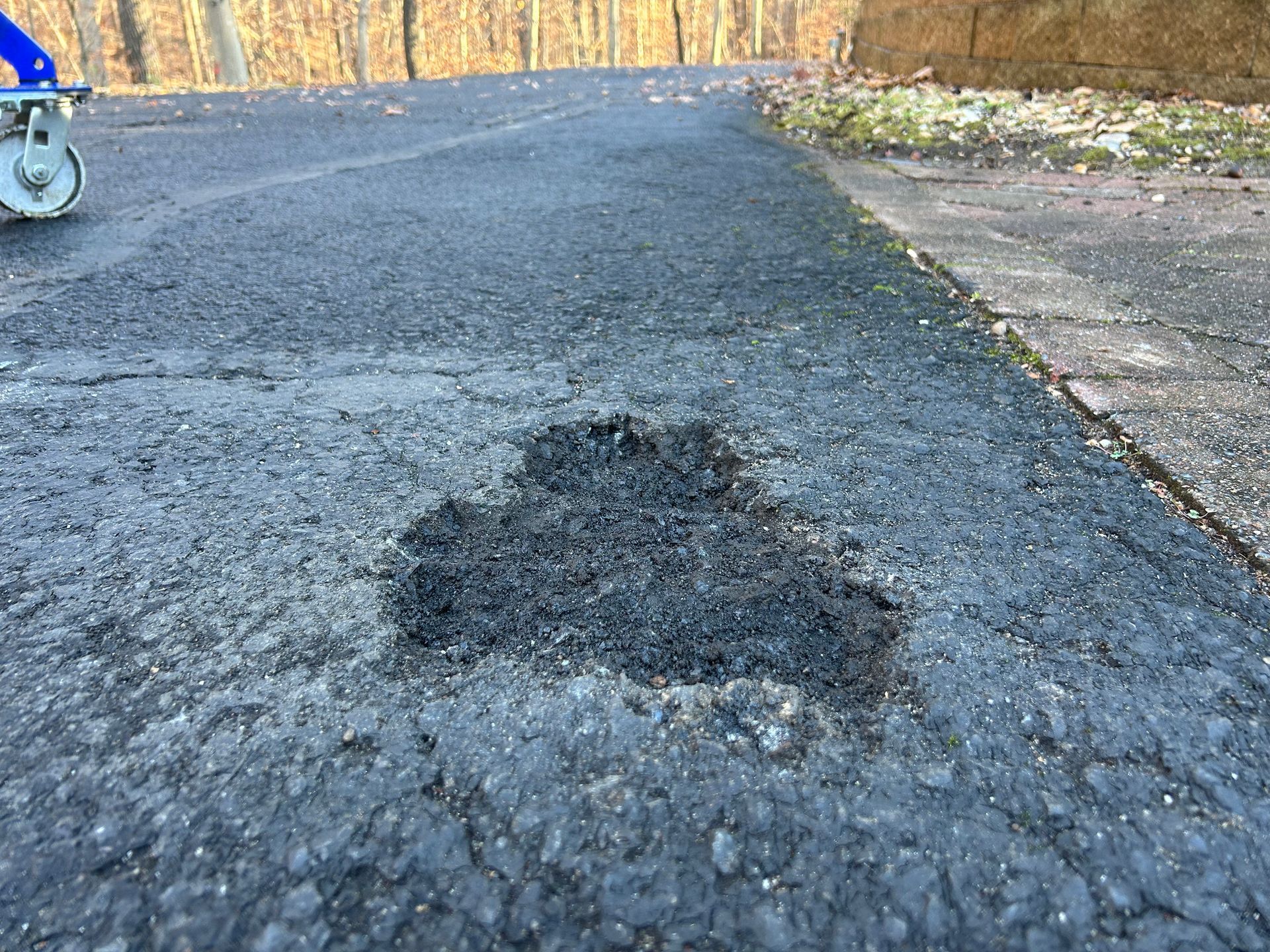
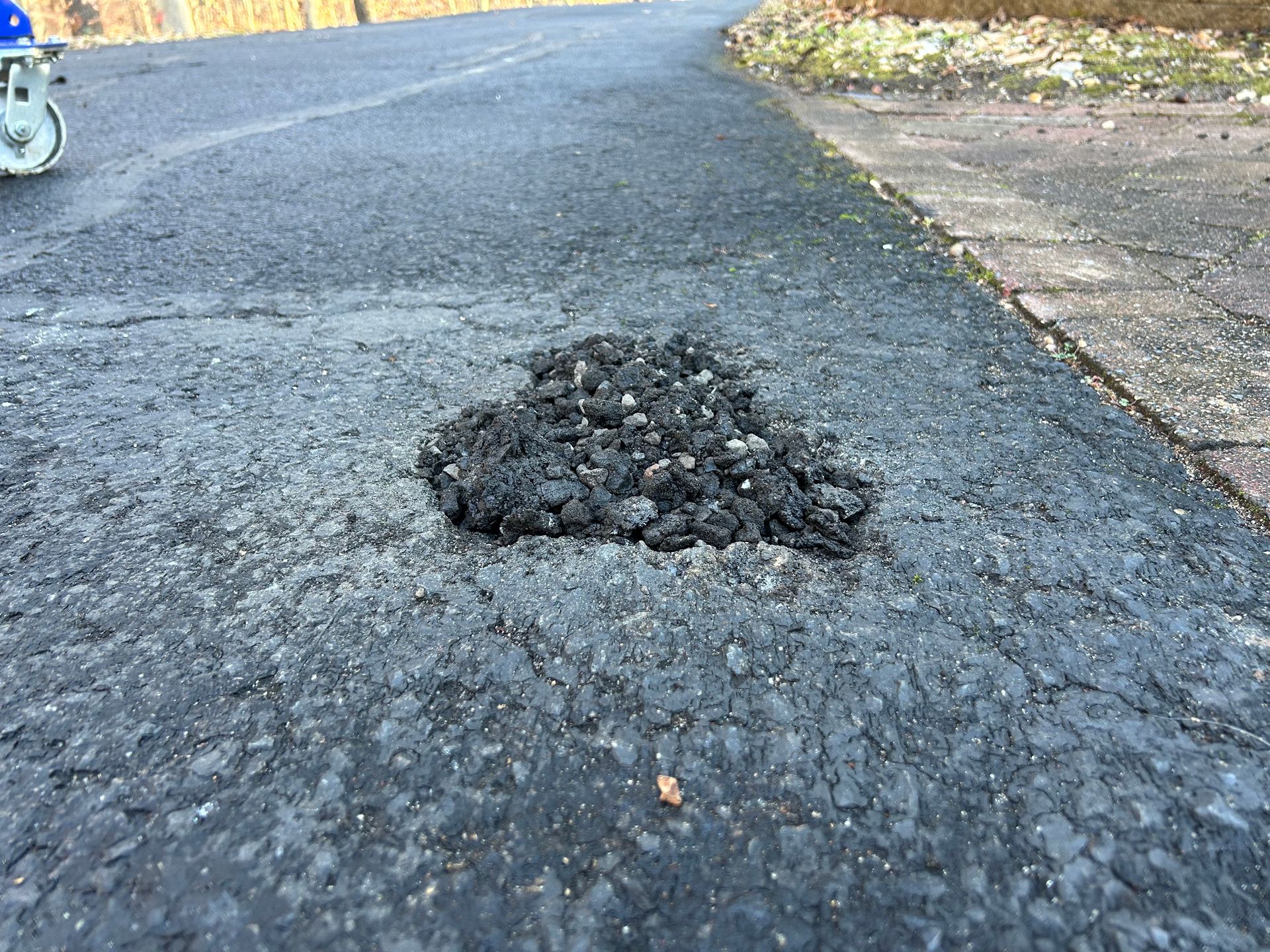
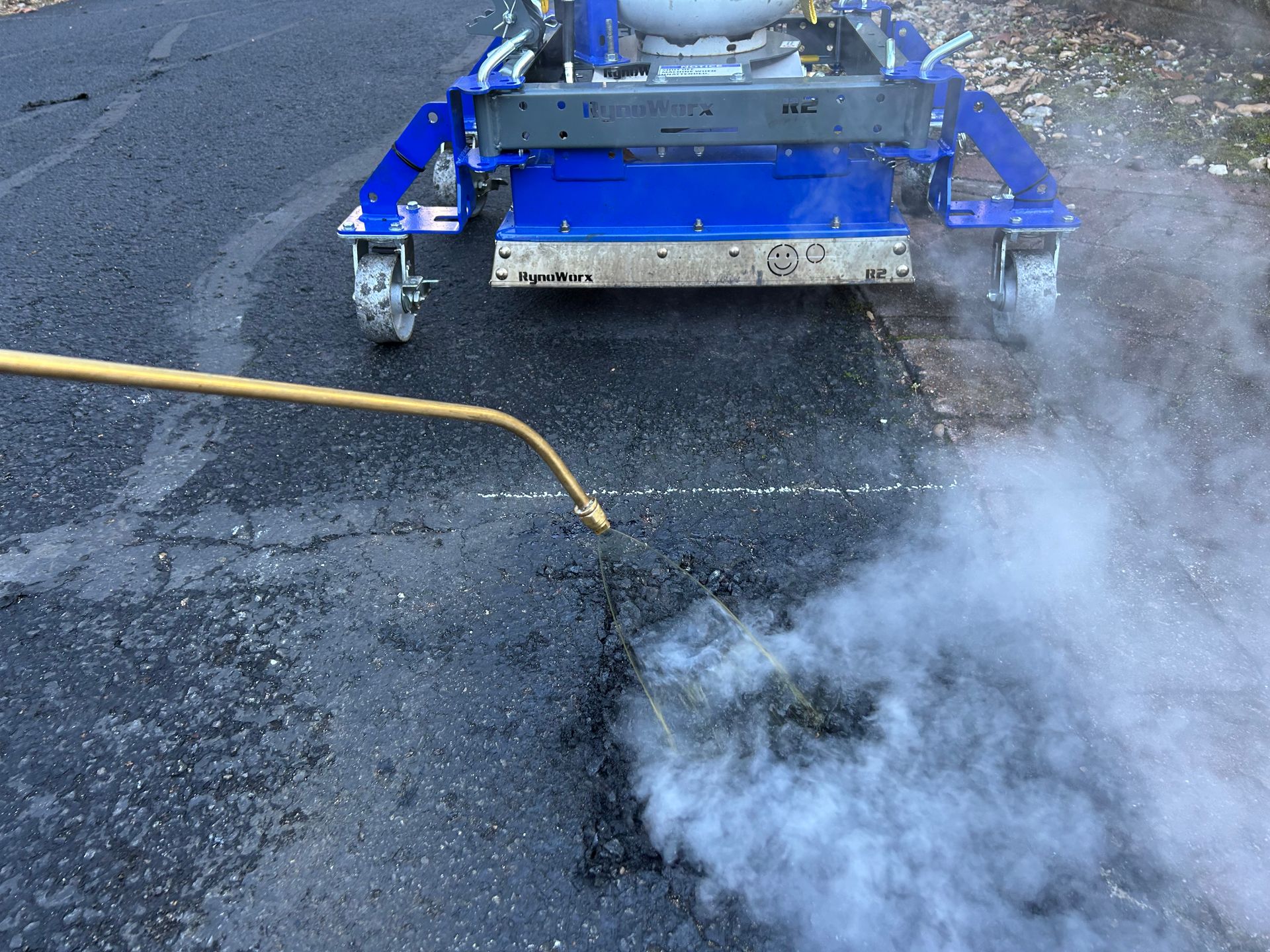
We start by removing loose debris, water, and crumbling asphalt from the pothole to ensure a strong bond. If needed, we torch or dry the area for better adhesion.
2. Heat The Asphalt
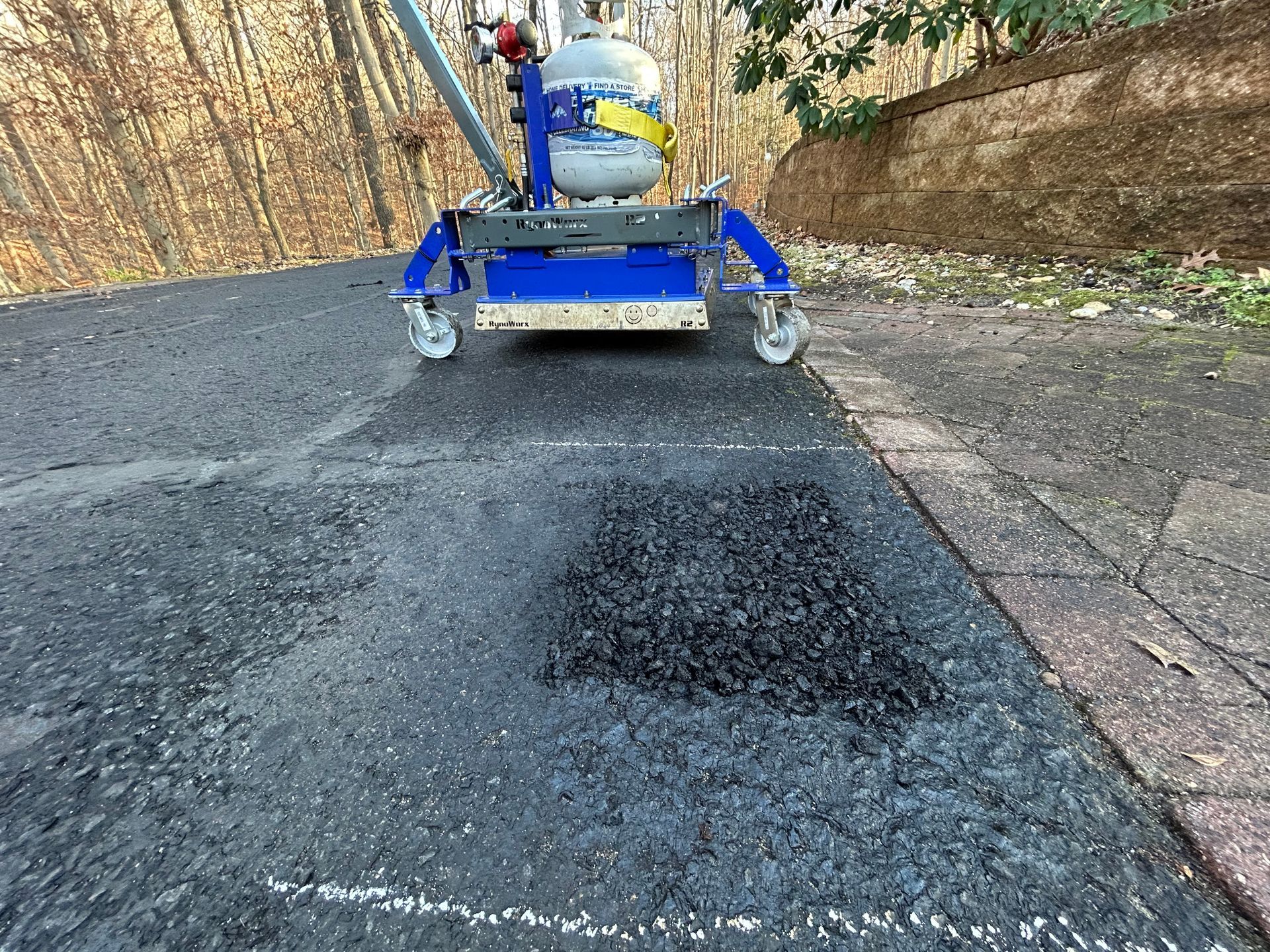
Infrared asphalt repair uses radiant heat to warm and soften the existing pavement, allowing us to blend new material seamlessly with the old surface for a stronger, longer-lasting repair.
3. Compaction
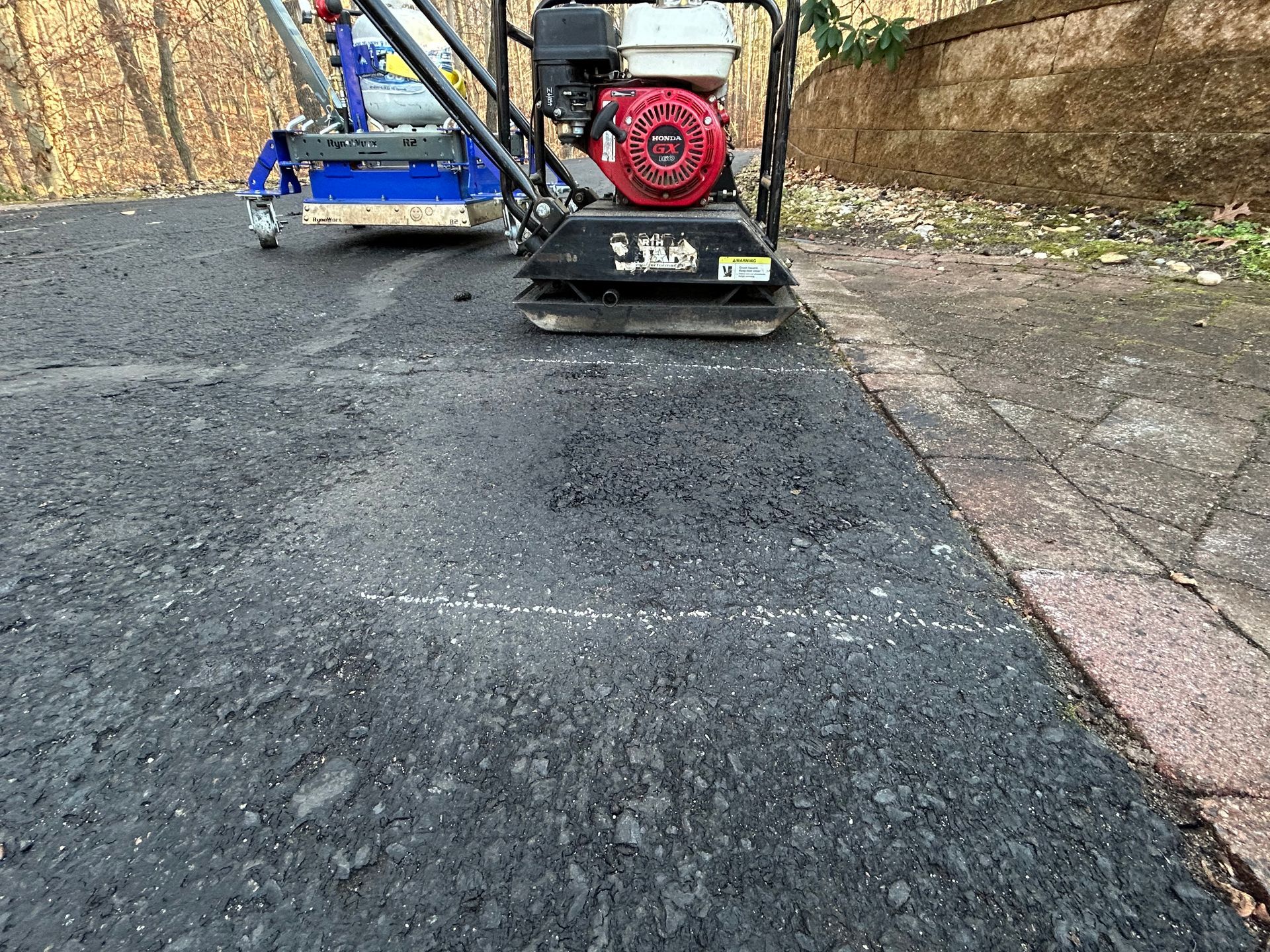
After heating and blending the material, a plate compactor is used to compress the asphalt and lock everything in place, creating a dense, smooth, and durable finished surface.
DID YOU KNOW?
Interesting stats about potholes...yes they exist!
How Are These For Numbers?
$26.5 B
🟨 Potholes cost U.S. drivers $26.5 billion per year. On average, drivers spend $400–$600 annually on pothole-related vehicle damage.
30%
🟩 The average untreated pothole grows 30% larger each season. Without repair, potholes worsen with every freeze-thaw cycle, leading to deeper damage and higher costs.
10%
🟥 Potholes are responsible for 1 in 10 vehicle damage claims.
From blown tires to suspension damage, potholes are a leading cause of auto-related insurance claims.
70%
🟦 Early pothole repair can reduce long-term repair costs by 70%.
Quick action prevents base layer damage and more expensive structural fixes.
Infrared Asphalt Repair-
How It Works
At StripeCraft, we use infrared asphalt repair technology to permanently restore damaged pavement instead of simply covering it with temporary patches. This process uses controlled radiant heat to rework the existing asphalt surface, allowing us to create stronger, seamless repairs that last longer and look better than traditional patching methods.
Infrared repair is ideal for fixing potholes, surface cracks, raveling, and deteriorated asphalt without the need for full demolition.
Infrared Heater Repairs- A Closer Look
FAQs
What people are asking about potholes and infrared treatment?
1. What causes potholes to form?
Potholes are usually caused by water getting into cracks in the asphalt. When that water freezes and expands, it weakens the pavement. Traffic pressure eventually breaks it apart, creating a hole.
2. How soon should a pothole be repaired?
Immediately. The longer a pothole is left untreated, the larger and deeper it becomes — increasing the risk of vehicle damage and raising repair costs.
3. Do you use cold patch or hot asphalt?
We use both, depending on the weather and size of the job. Cold patch is great for fast, temporary repairs (especially in winter), while hot asphalt offers a stronger, longer-lasting fix for larger or high-traffic areas.
4. How long does pothole repair take?
Most residential or small commercial potholes can be repaired in under an hour. Larger patches may take longer, but all jobs are completed the same day in most cases.
5. How long before I can drive on the repair?
Cold patch can be driven on almost immediately. Hot asphalt usually requires 2–4 hours to cool, depending on temperature and thickness.
6. Is pothole repair permanent?
Hot asphalt repairs are long-lasting when done properly. Cold patch repairs are temporary but effective — especially in colder months until a permanent fix can be made.
CONTACT US
Contact Us
Important: StripeCraft does not apply our standard sealcoating products over asphalt that has previously been treated with oil-based or gilsonite sealer due to potential adhesion and compatibility issues. If you are unsure what type of sealer was previously used, please let us know before scheduling.